Cookie Consent by Free Privacy Policy Generator Phlux - Lowest noise InGaAs APD 1550 nm - Infrared… | Phlux Technology
  • Products
    • Aura Noiseless InGaAs® APDs
  • Applications
    Laser Range Finders LiDAR OTDR and Fibre Sensing
  • Resources
    • Technology Guides
    • Application Guides
    • Research Papers
  • News & Blog
    • Events
    • In the News
    • Press Releases
    • Blog
  • Company
    • About us
    • Contact
    • Careers
search icon

FSOC
View

Press Releases

European Space Agency funds Phlux Technology, Airbus Defence and Space and The University of Sheffield in project to help develop 2.5 Gbps free space optical satellite terminals

Sheffield, 16th May 2024: Phlux Technology, a manufacturer of avalanche photodiode (APD) infrared sensors, Airbus Defence and Space, and The University of Sheffield have embarked on a 500,000 Euro project to build more efficient free space optical communications (FSOC) satellite terminals. Funded by the European Space Agency (ESA), the project’s medium-term goal is to achieve reliable 2.5 Gbps communications with Low Earth Orbit (LEO) satellites at 1550 nm wavelength. These satellites orbit the earth at heights of up to 2000 km (1,200 miles). A longer-term aim is to produce links that will operate at 10 Gbps.

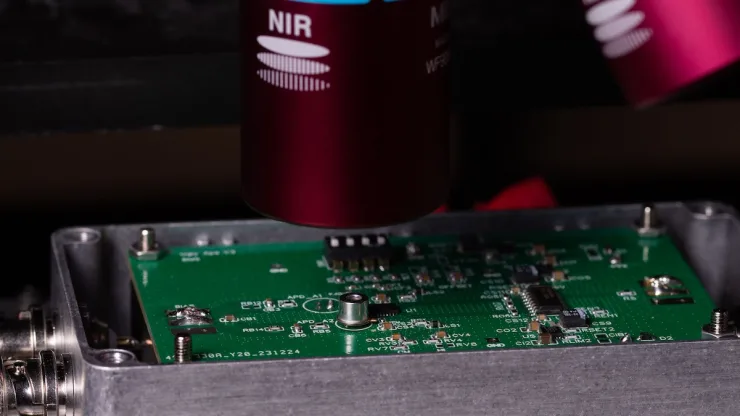
Phlux Noiseless InGaAs® avalanche photodiodes (APDs) are at the heart of the project. They are used as infrared sensors in FSOC receivers and are expected to deliver 6 dBm more sensitivity than traditional InGaAs APDs operating at 1550 nm. This means that they can detect much lower signal levels, enabling faster and higher bandwidth links with low latency to be developed. It also means that adequate performance can be maintained for longer periods because link integrity is maintained over a wider angle as the satellite passes overhead. …

Smart OTDR Web
View

Application Guides

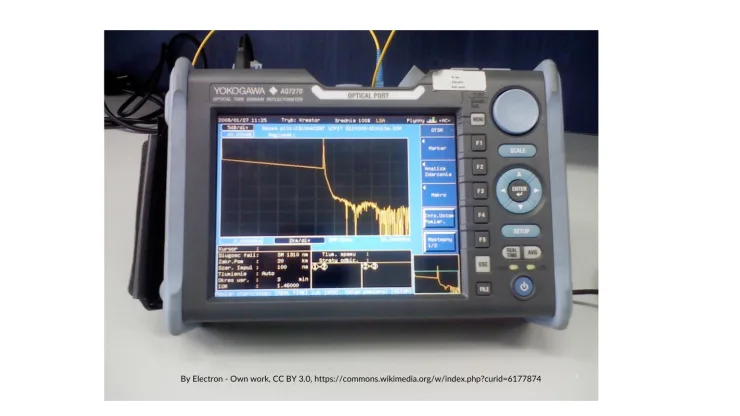
Optical Time Domain Reflectometry and Phlux Noiseless InGaAs APDs

This application guide explains the working mechanisms of Optical Time Domain Reflectometers…
SPIE DCS 24
View

Press Releases

Phlux to explain the technology behind high sensitivity, fast recovery avalanche photodiodes at SPIE Defense + Commercial Sensing event

Sheffield, UK, 12th April 2024: Xiao Collins, co-founder and director of Phlux Technology, a…
1550 nm laser rangefiner Lo Res
View

Application Guides

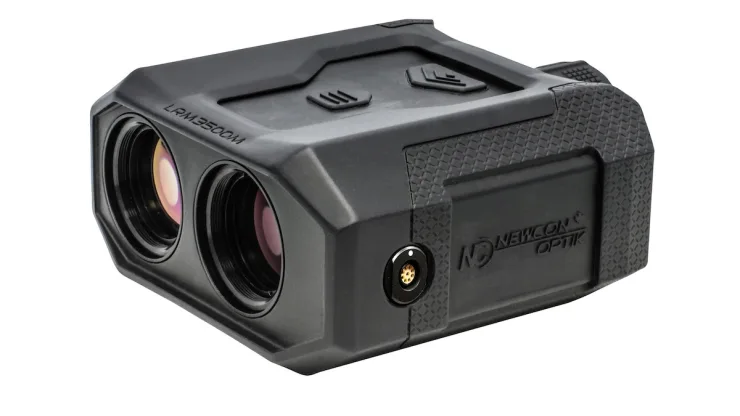
How Phlux’s Noiseless InGaAs APDs Improve Rangefinders

Introduction This application guide explains the operation of rangefinders and how they can…
Phlux Products2024 SHAW STUDIO 58
View

Technology Guides

Aura Noiseless InGaAs® Avalanche Photodiodes (APDs) Technology Backgrounder

A photodiode (PD) is a type of diode that converts light energy into electrical energy, when…
ADP gain vs Excess Noise In Ga As
View

Research Papers

Sensitivity Improvement of 2.5 Gb/s Receivers Using AlGaAsSb Avalanche Photodiodes

Free-space optical communication (FSOC) offers the advantages of high bandwidth, directional signal…
Measurement Phlux54010
View

Blog

What is dark current in IR sensors?

Dark current is a critical factor impacting the performance of infrared sensors. It refers to the…
Cryptographic Keys
View

Application Guides

The Role of Infrared Sensors in Quantum Key Distribution (QKD)

Quantum Key Distribution: Securing the Future of Optical Communications In the ever-evolving…
Footwaves
View

Events

Where to meet us in 2025

Click to see the events we're attending and please get in touch to meet us.
  • «
  • ‹ Previous
  • 1
  • 2
  • 3
  • 4
  • 5
  • › Next
  • »
Clear all Close
By Type
  • Application Guides
  • Technology Guides
  • Press Releases
  • Blog
  • Research Papers
  • Events

Subscribe for the latest news from Phlux

Home
Products
  • Aura Noiseless InGaAs® APDs
Applications
  • Laser Range Finders
  • LiDAR
  • OTDR and Fibre Sensing
Resources
  • Technology Guides
  • Application Guides
  • Research Papers
News & Blog
  • Events
  • In the News
  • Press Releases
  • Blog
Company
  • About us
  • Contact
  • Careers
© 2025 Phlux Technology Ltd | Privacy Policy | Quality Policy | Terms & Conditions
waves